What’s the Normal Anion Gap Range in Adults?
What Is the Anion Gap?
The anion gap is a computed value that helps assess the balance of charged particles in the blood. It is used in lab interpretation to identify clues about acid-base balance and certain types of illness. In simple terms, the anion gap looks at the main electrolytes measured in https://anion-gap-calculation.com/faq/albumin-effect.html a blood sample, especially sodium and chloride, along with bicarbonate.
This number is not directly measured on most reports. Instead, it is obtained from serum lab results and can help identify an electrolyte imbalance or an acid-base disorder. Clinicians use it as a diagnostic clue, not as a stand-alone diagnosis. Because it reflects unmeasured anions in the blood, it has significant clinical significance when evaluating a person’s metabolic state.
The most common version of the anion gap formula uses:
- serum sodium
- serum chloride
- serum bicarbonate
That makes the anion gap a useful summary of blood chemistry rather than a separate test. It is often included on a blood chemistry panel, basic metabolic panel, or comprehensive metabolic panel.
Normal Anion Gap Range in Adults
The normal anion gap in adults usually falls within a reference range that is determined by the laboratory. A commonly used adult reference range is about 8 to 12 mEq/L, but some labs may list slightly different values depending on their method and instrument.
That difference matters. A result that seems borderline on one report may still be considered within the normal range on another. This is why interpreting results should always include the specific lab’s reference interval.
Two factors especially affect the number:
- serum bicarbonate, which is part of the calculation
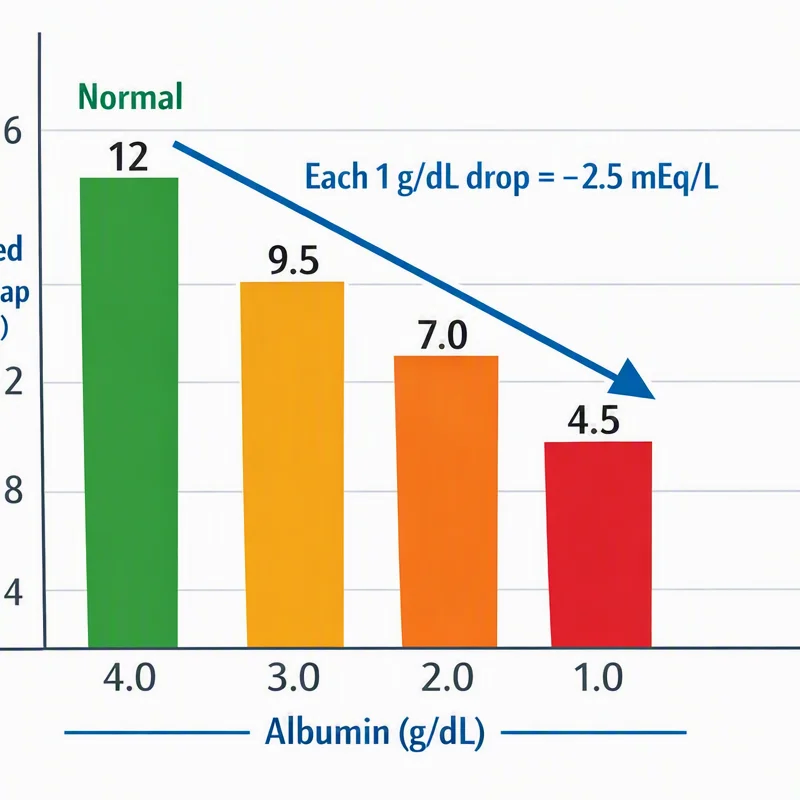
- albumin, which influences the amount of unmeasured negative charge in the blood
Because albumin is a major unmeasured anion, low albumin can make the anion gap look below expected. In that case, the result may need to be considered in an albumin-corrected way for more accurate lab interpretation.
In practical terms, there is not one universal adult value. Instead, there is a reference range that represents the lab’s testing system and the person’s overall condition. Small shifts can happen from normal physiologic variation, hydration status, or changes in the body’s acid-base balance.
How an Anion Gap Calculator Works
An Anion Gap Calculator is a simple resource that estimates the anion gap from regular blood test data. It enables individuals and clinicians quickly interpret a set of lab values without needing to work it out by hand.
The core calculation formula is:
Anion gap = serum sodium - (serum chloride + serum bicarbonate)This calculated value provides a rapid snapshot of the connection between key electrolytes in the electrolyte panel. If the result is beyond the usual range, it can suggest an abnormal acid load, a loss of bicarbonate, or another issue affecting the body’s chemistry.
Using an Anion Gap Calculator is particularly helpful because small numerical differences can change how results are understood. For example, if sodium is high, chloride is low, or bicarbonate is reduced, the result may vary enough to suggest an acid-base disorder. That is why the calculator can serve as a practical screening test and a quick check for abnormal results.
It is essential to remember that the calculator does not replace professional judgment. It helps with interpreting results, but the meaning depends on the full clinical picture, including symptoms, medications, kidney function, and other blood chemistry findings.
What Can Result In a High Anion Gap?
A high anion gap often indicates metabolic acidosis, which indicates that the body has an excess of acid or insufficient bicarbonate. This is one of the main reasons the anion gap is so valuable in medical evaluation.
Typical causes include:
- lactic acidosis, which can arise when the body is not getting enough oxygen or is under extreme stress
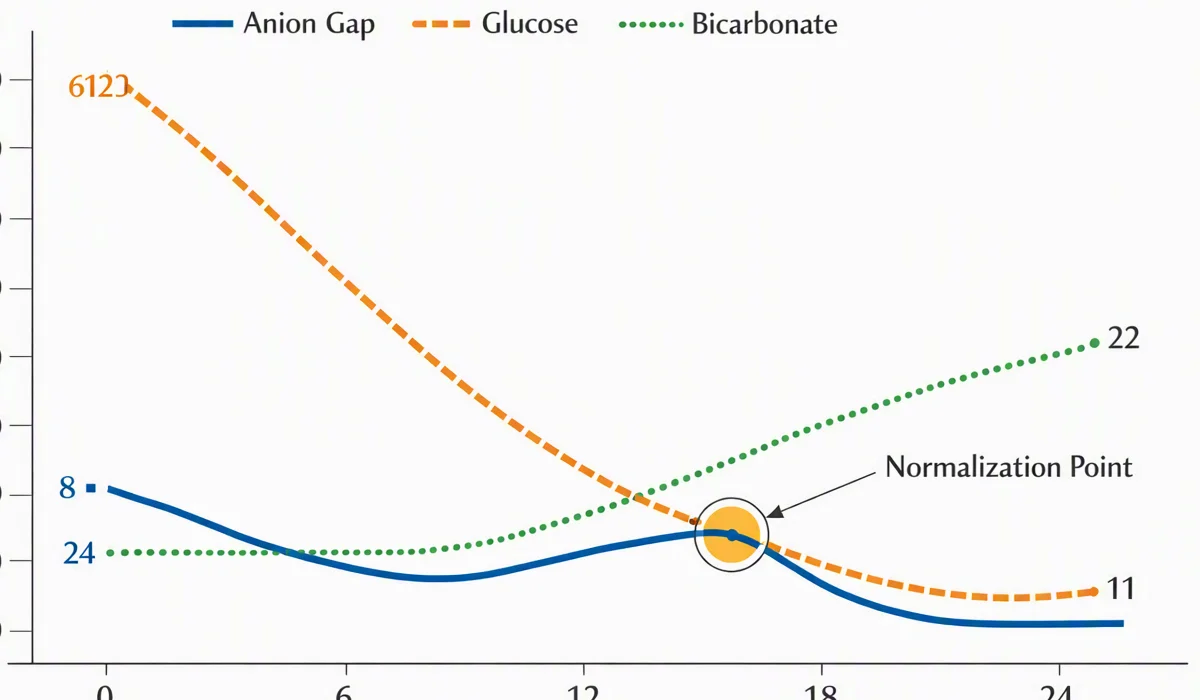
- ketoacidosis, which may happen with diabetes, prolonged fasting, or heavy alcohol use
- kidney disease, especially when the kidneys cannot remove acids effectively
These conditions increase unmeasured anions in the blood and increase the anion gap. A high result is not a diagnosis by itself, but it can be a valuable diagnostic clue that helps direct next steps.
Other factors can also affect a high result, including certain toxins or medications, but the most important point is that the number should be interpreted in context. A high value on a basic metabolic panel or comprehensive metabolic panel often leads to more review of the person’s acid-base balance and overall metabolic state.
If the anion gap is high along with symptoms such as rapid breathing, confusion, vomiting, dehydration, or severe fatigue, that may signal a more urgent problem. In those cases, timely medical evaluation is important.
What Can Trigger a Low Anion Gap?
A low anion gap is rarer than a high one, but it can still be meaningful. One major cause is hypoalbuminemia, or low albumin. Since albumin carries a negative charge, lower levels lower the calculated gap.
Possible causes also include:
- multiple myeloma, a condition that can elevate abnormal proteins in the blood
- paraproteins, which are unusual proteins that may affect the charge balance
- lab error, which should always be taken into account if the result does not align with the clinical picture
Because low albumin can mask additional concerns, clinicians may use an albumin-corrected approach when interpreting the result. This helps distinguish a true low gap from one caused mainly by protein changes.
A low value should not be ignored, especially if it appears alongside other unusual serum lab results or if there are signs of illness. Even though a low anion gap is often less striking than a high one, it can still suggest an important underlying condition and deserves careful lab interpretation.
When Should You Worry About Anion Gap Results?
Whether an anion gap result is alarming depends on the number itself, the lab’s reference interval, and the person’s symptoms. The anion gap is best used when it is paired with a full clinical interpretation of the situation.
Here are a few signs that the result may deserve more attention:
- The value is well outside the lab’s stated adult range
- There are symptoms such as tiredness, confusion, shortness of breath, vomiting, or severe fatigue
- The person has known kidney disease, diabetes, or another condition that impairs acid handling
- Other tests on the blood chemistry panel are abnormal too
A single number cannot tell the whole story. A normal result does not always mean everything is fine, and an abnormal result does not always mean something dangerous is happening. That is why the anion gap should be viewed as part of a larger picture of acid-base balance, electrolyte imbalance, and overall health.
If you are reviewing results from a basic metabolic panel or comprehensive metabolic panel, the best next step is often a discussion with a clinician. They can decide whether the result needs another check, additional labs, or immediate attention. This is especially true if the abnormal value is paired with other concerning findings or symptoms that need doctor evaluation.
Bottom line, the anion gap is a useful number, but it is not meant to be interpreted in isolation. Its real value comes from helping identify patterns that suggest an acid problem or another underlying condition.
Common Questions
What is the typical adult anion gap range?
The expected anion gap range in adults is usually about 8 to 12 mEq/L, but the specific adult range depends on the laboratory’s reference interval. A few labs report somewhat different normal values based on their methods and measurement systems.
Does the anion gap change with age?
Advancing age can influence overall health and lab patterns, but the anion gap itself is mainly interpreted using the lab’s adult reference range. Differences are more often to come from changes in albumin, kidney function, illness, or other factors rather than age alone.
Does a normal anion gap exclude a medical issue?
No. A normal anion gap does not rule out every medical problem. It can still be normal in some illnesses, and it is only one part of the blood chemistry panel and broader clinical picture. A full medical evaluation may still be needed if symptoms or other test results are concerning.
Why is albumin important for the anion gap?
Albumin is a major unmeasured negatively charged protein in the blood. When albumin is low, as in hypoalbuminemia, the anion gap can appear lower than expected. This is why an albumin-corrected interpretation may be useful for accurate lab interpretation.
What if my anion gap is elevated or decreased?
If your anion gap is high or low, review the result with a clinician who can interpret it alongside your symptoms, other lab values, and overall health. Depending on the situation, they may repeat the test, review for metabolic acidosis, or look for causes such as lactic acidosis, ketoacidosis, kidney disease, multiple myeloma, or lab error.